
SDVOSB-Certified Containment for VA Medical Centers and Federal Buildings
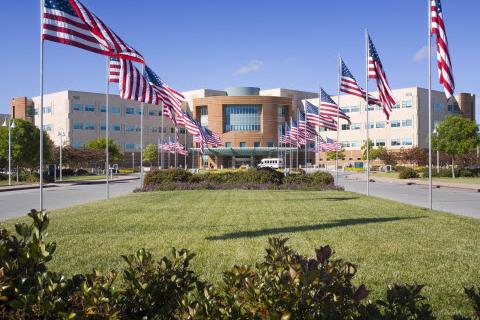
The VA has committed $4.8 billion for facility improvements in fiscal year 2026 alone which is the largest Non-Recurring Maintenance investment in VA history. Active construction programs at VA Palo Alto, San Francisco VA, and VA Northern California generate sustained demand for containment subcontractors who understand VHA Directive 7715, USACE EM 385-1-1, and the ICRA requirements that VA patient care environments mandate. As a certified SDVOSB and DVBE, 5DCCS is positioned as the containment partner your federal project needs.
Why Federal & VA Work Is Different
Three Regulatory Frameworks, One Construction Zone
Construction in an active VA medical center requires simultaneous compliance with VHA Directive 7715 (the VA's own safety and infection control mandate), USACE EM 385-1-1 (the Army Corps of Engineers safety manual that exceeds OSHA in multiple areas), and the ASHE ICRA 2.0 infection control framework that civilian hospital construction follows — each with its own documentation requirements and each enforced by a different authority.
In federal office buildings, GSA P100 Facilities Standards govern construction practice, Facility Security Level determinations control how workers access the building, and the Federal Acquisition Regulation governs how subcontractors are engaged and held accountable. No other construction market layers this many overlapping requirements onto a single project. The GCs who work in this space know it — and they need containment subcontractors who know it too.
The Northern California Opportunity
One of the Most Active Federal Construction Markets in the Country
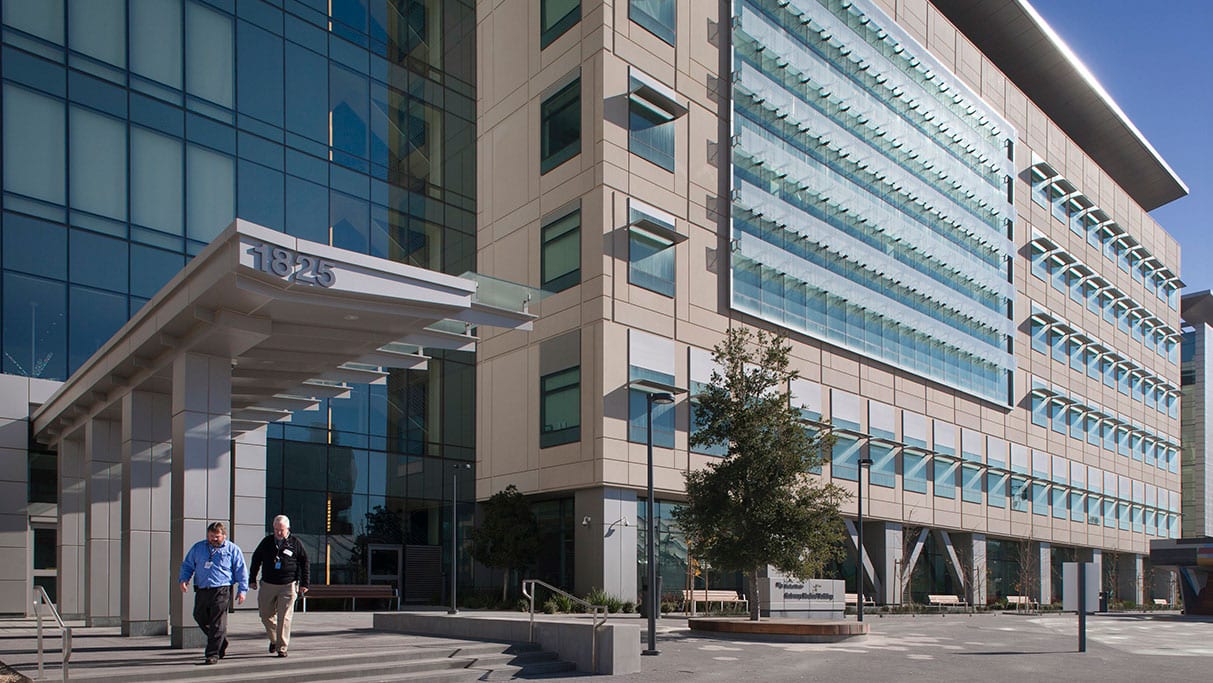
Northern California is home to three active VA healthcare systems with sustained construction programs: VA Palo Alto (a $1.6 billion campus rebuild that remains years from completion), San Francisco VA Medical Center (active USACE-administered seismic, HVAC, ICU, and pharmacy projects), and VA Northern California Health Care System at Mather (a $20 million OR renovation, multiple NRM projects, and ongoing infrastructure upgrades). GSA Region 9 manages additional federal office buildings and courthouses across the region with ongoing alteration and repair needs.
The VA's FY2026 NRM investment of $4.8 billion is the largest in VA history — and VISN 21 facilities in Northern California are active recipients. For an SDVOSB-certified specialty subcontractor based in San Jose, this pipeline represents a market where certification is not just a competitive advantage — in many cases, it is a prerequisite to participate at all.
Where We Work
Containment Across the Full Range of Federal & VA Project Types
From VA inpatient ward renovations requiring ICRA Class IV containment to GSA federal office build-outs requiring security-plan-compliant barriers, every federal and VA project type has its own regulatory requirements and its own set of people who need to be protected from the construction happening around them.
VA Hospital Wing & ICU Renovations
Inpatient renovations at VA medical centers require full ICRA compliance under VHA Directive 7715 — including floor-to-ceiling containment with no gaps, maintained negative air pressure with visual indicators, HEPA-filtered exhaust, and anterooms. The San Francisco VA's SDVOSB-set-aside ICU renovation (Project 662-23-101) is a live example of the ICRA Class IV/V containment environment that 5DCCS systems are specified to meet.
VA Pharmacy Upgrades
VA inpatient pharmacy renovations to meet USP 797 (sterile compounding) and USP 800 (hazardous drug handling) standards require hard containment walls that support negative pressure differentials, isolate demolition dust from cleanroom environments, and allow airtight penetrations for dedicated mechanical connections. The San Francisco VA's FY2025 NRM pharmacy upgrade and Sacramento VA pharmacy projects are active examples of this project type in the region.
Operating Room & Surgical Suite Renovations
OR renovations at VA facilities involve phased construction that keeps adjacent surgical suites operational. The VA Northern California $20 million OR renovation at Mather — adding a fifth Hybrid OR suite while maintaining four existing ORs in active service — requires precisely the kind of tight-phase, high-ICRA containment that modular systems support better than conventional drywall or plastic sheeting. Phased sequencing and same-day reconfiguration between phases are essential in these environments.
HVAC & MEP Upgrades in Active VA Buildings
VA's FY2026 NRM program allocates significant funding to HVAC system replacements — including ventilation upgrades at SF VA Buildings 200 and 203, critical cooling system replacements, and MEP infrastructure at facilities across VISN 21. HVAC work in occupied healthcare settings requires containment that prevents duct debris and fibrous insulation from entering occupied air paths and maintains pressure relationships in infection-sensitive zones throughout the upgrade.
Federal Office Buildings & Courthouses
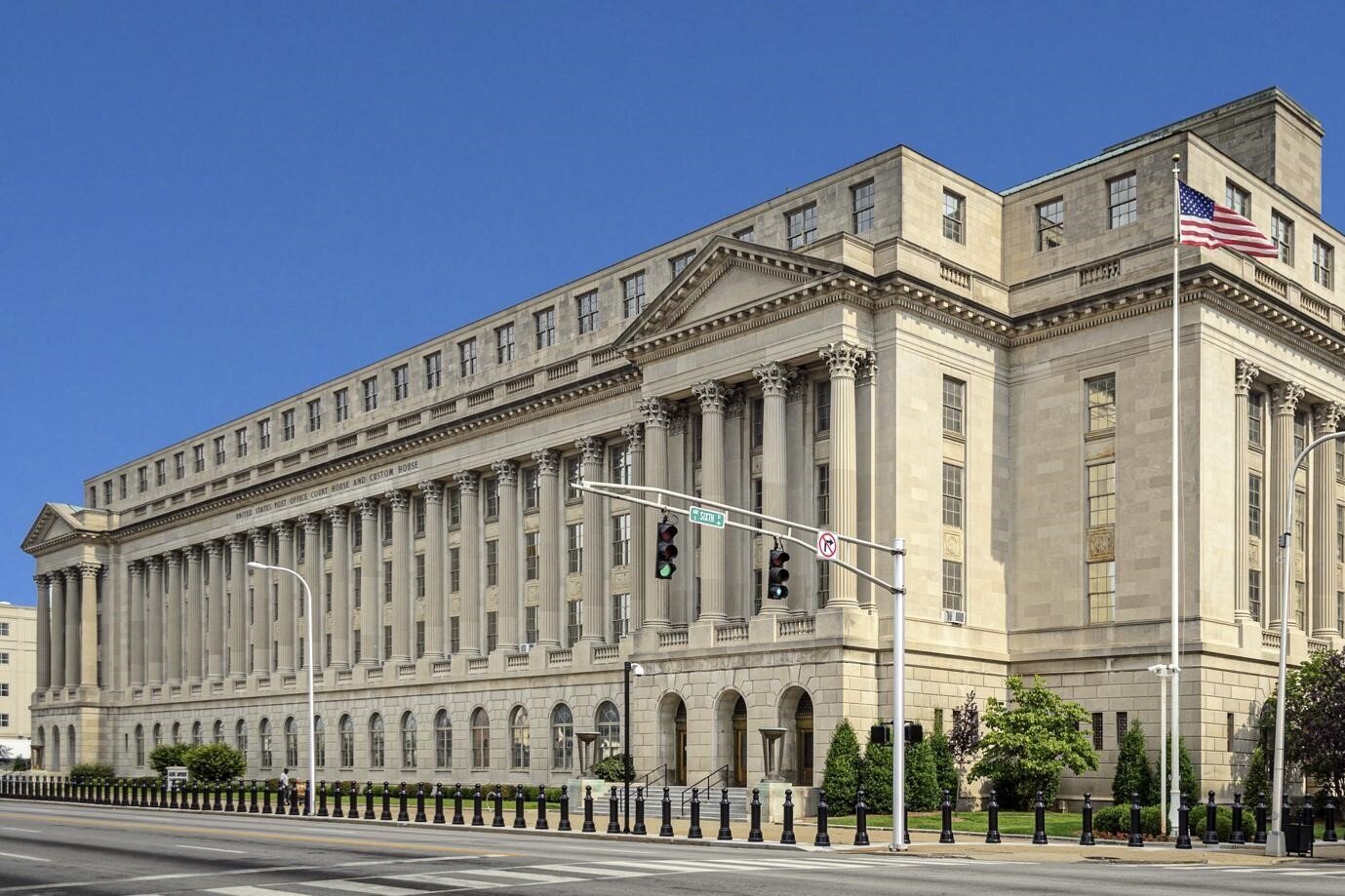
GSA-managed federal office buildings and federal courthouses require construction containment that satisfies both building code requirements and Facility Security Level access control obligations. Containment walls in courthouse renovations serve a dual function: dust and debris isolation on one side, physical security separation between construction zones and sensitive areas (judicial chambers, secure holding, evidence rooms) on the other. GSA P100 and FSL security plans govern both.
Seismic Retrofits in Occupied Federal Buildings
California's seismic retrofit workload in federal and VA facilities — including the $57 million SF VA Building 8 seismic program managed by USACE under Brice Builders, and the larger VA Palo Alto campus reconstruction — involves high-dust, high-vibration structural work in occupied building complexes. Containment walls isolate shotcrete operations, micropile installation, and demolition of hazardous materials (asbestos, lead-based paint) from adjacent operational buildings and patient care areas.
Regulatory Framework
The Standards That Govern Construction in Federal & VA Facilities
Federal and VA construction operates under a regulatory stack that no commercial construction environment approaches. VHA Directive 7715 mandates the VA's safety and infection control process — including Pre-Construction Risk Assessments, Infection Control Risk Assessments, Activity Hazard Analyses, and Infection Prevention Permits — for every construction project in a VA medical facility. USACE EM 385-1-1 adds site-specific Accident Prevention Plans and Activity Hazard Analyses that exceed OSHA requirements in multiple areas and are mandatory when USACE is the contracting or administering authority.
On the GSA side, P100 Facilities Standards govern design and construction, Facility Security Level determinations control worker access, and the FAR subcontracting plan requirements ensure that SDVOSB subcontractors are formally identified and tracked in prime contractor reporting. Understanding this framework is not a differentiator in this market — it is a baseline requirement. GCs working in federal facilities need containment subcontractors who already know these rules, not ones who need to be taught them on-site.
The SDVOSB & DVBE Advantage
Our Certifications Are a Business Development Asset for Your Federal Project
In FY2024, the VA awarded $8.4 billion — 19.5% of total VA contract dollars — through SDVOSB set-asides. Large prime contractors on federal construction contracts over $2 million must maintain subcontracting plans with separate SDVOSB goals. When you add a SBA VetCert-certified SDVOSB containment subcontractor to your team, you are not just getting containment — you are documenting a compliance action that your contracting officer will review at closeout. And when a VA solicitation is structured as an SDVOSB set-aside, certification is the entry ticket.
VA Rule of Two — SDVOSB Set-Asides
Under 38 U.S.C. § 8127(d), VA contracting officers must set aside acquisitions for SDVOSB competition whenever two or more certified SDVOSBs are likely to submit offers at a fair and reasonable price. SDVOSB set-asides take precedence over all other small business set-aside types at VA — including 8(a), women-owned, and HUBZone.
FAR Subcontracting Plans — Documented Credit for GCs
Large prime contractors on federal construction contracts over $2 million must set separate subcontracting goals for SDVOSBs. Engaging a certified SDVOSB subcontractor creates a documented, auditable compliance action that primes report to their contracting officer. Failing good-faith subcontracting efforts requires a written explanation — creating a real compliance incentive to identify and engage SDVOSB subs proactively.
SDVOSB Sole-Source Awards Up to $5 Million
Contracting officers may award sole-source contracts to SBA VetCert-certified SDVOSBs without competitive solicitation for non-manufacturing contracts up to $5 million (effective January 1, 2024). For containment scopes that fall below this threshold, the sole-source pathway enables direct award from federal agencies, bypassing the competitive solicitation process entirely.
DVBE — California State Contract Preference
5DCCS holds DVBE certification through California DGS, providing a 5% bid preference on California state contracts and qualifying us for DVBE set-asides in California procurement. On projects with both federal and California state funding components — common at shared-use or co-funded facilities — holding both SDVOSB and DVBE certifications maximizes access across the full spectrum of public contracting opportunities.
Federal Government-Wide
California State Contracts
Multiple Agencies
Municipal Funded Projects
How It Works
From First Call to Final Removal in 5 Steps
We make containment straightforward. Most setups complete in a single day, with no mess left behind on either side of the wall.
Consultation & Site Assessment
We review your scope, timeline, and compliance needs from drawings or a site walk.
Custom Containment Plan
We design a layout with door placement, negative air ports if needed, and multi-phase sequencing.
Delivery & Installation
Our crew delivers and installs. Most setups finish in a single day. Clean and professional on both sides.
Ongoing Support & Adjustment
Projects change. If your layout needs to shift or expand, we handle it without rebuilding from scratch.
Removal & Closeout
When work is done, we remove everything. No demolition dust, no debris, no cleanup left for your team.
Bidding a Federal or VA Construction Project in Northern California?
Most quote requests receive a response within one business day. Tell us your facility type, your ICRA class or GSA security level, and your project scope — and we will put together a containment plan and the documentation package your prime contract requires.
FAQ
Federal & VA Containment Questions
Not finding what you need? Call us at (855) 684-3752 or use the contact form.