modular temporary wall barricade, durable temporary construction walls, modular barricade systems for job sites, how to improve the renovation processs with temporary walls, temporary construction wall panels, temporary walls sustainability construction, modular temporary barricade, sustainable barricades for construction, temporary containment walls, class a office remodeling containment, modular barricade contractor, live event temporary wall contractor, class a office renovation containment, live event temporary wall contractors
Understanding Temporary Containment Solutions
Temporary containment solutions are essential for maintaining a safe and clean environment during construction or renovation projects. These systems are designed to isolate work areas, preventing dust, debris, and noise from affecting adjacent spaces. By implementing effective containment strategies, businesses can minimize disruptions and ensure the safety of both workers and clients.
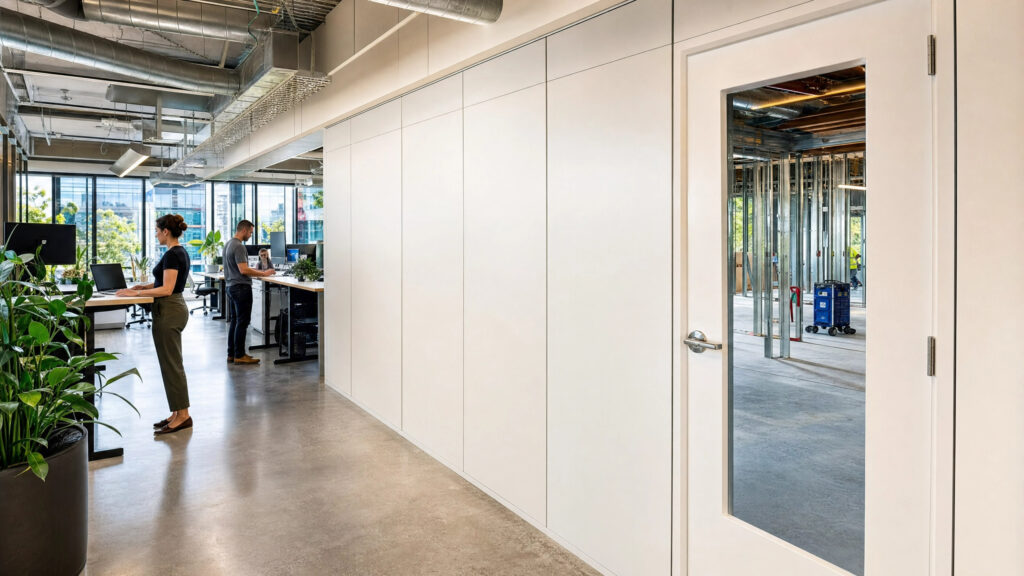
For example, modular wall systems can be customized to fit various project requirements, allowing for flexibility in design and installation. These solutions not only protect the worksite but also enhance the overall efficiency of the renovation process, making it easier to manage timelines and budgets.
Benefits of Modular Wall Systems in Construction
Modular wall systems offer numerous advantages for construction projects, particularly in terms of sustainability and efficiency. These systems are often made from recyclable materials, contributing to environmentally friendly construction practices. Additionally, they can be quickly assembled and disassembled, reducing labor costs and project timelines.
Furthermore, modular walls provide excellent sound insulation and air quality control, which are critical in sensitive environments like hospitals or offices. By utilizing these systems, contractors can ensure that renovations are carried out with minimal impact on ongoing operations, thus enhancing client satisfaction.
Best Practices for Implementing Temporary Containment
To effectively implement temporary containment during renovations, it is crucial to follow best practices that ensure both safety and compliance with regulations. This includes conducting thorough site assessments to identify potential hazards and determining the most suitable containment methods for the specific environment.
Additionally, training staff on the proper setup and maintenance of containment systems can significantly reduce risks. Regular inspections and adjustments to the containment setup are also recommended to adapt to changing project conditions, ensuring ongoing effectiveness throughout the renovation process.
Case Studies: Successful Containment Projects
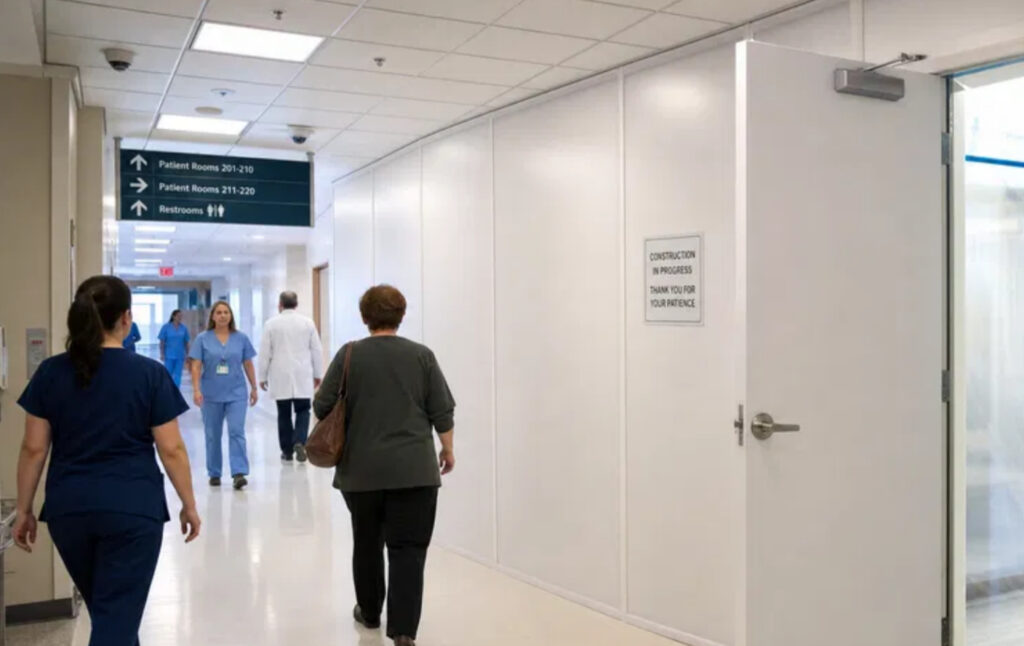
Examining case studies of successful temporary containment projects can provide valuable insights into best practices and innovative solutions. For instance, a recent project in a medical facility showcased how effective modular wall systems prevented contamination during a major renovation, allowing the hospital to continue operations without disruption.
These case studies highlight the versatility and reliability of temporary containment solutions, demonstrating their ability to adapt to various project demands while maintaining safety and compliance. By learning from these examples, other businesses can better understand how to implement similar strategies in their own renovation projects.