
How to Prevent Construction Dust in Occupied Spaces: Barriers and Protocols
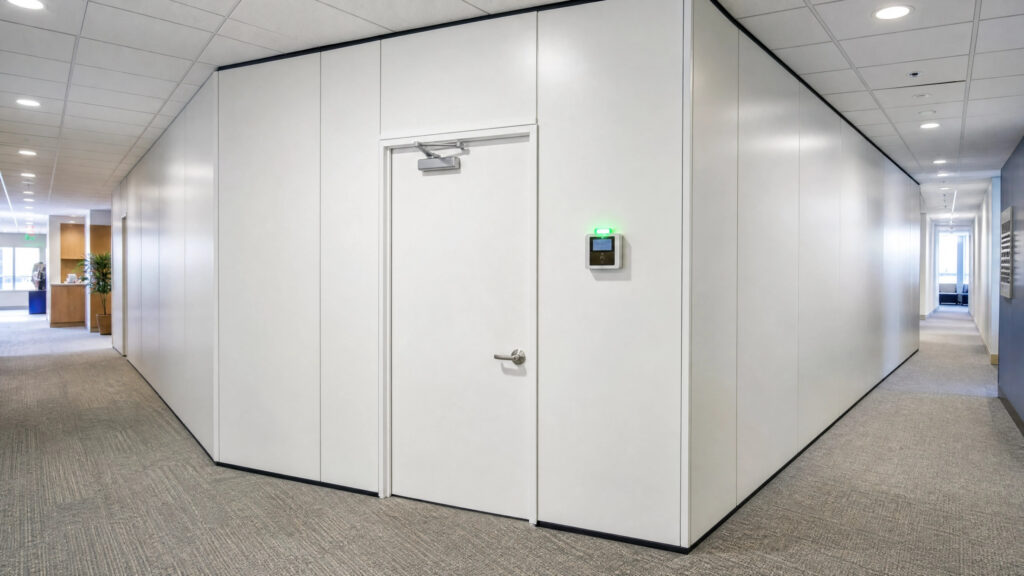
Part 2 of a two-part series. Covers the protocols, barrier systems, and compliance frameworks that prevent construction dust from reaching occupied spaces. Includes traditional containment failure analysis (plastic sheeting and drywall), a head-to-head barrier comparison table, ICRA 2.0 classification matrix, CDC/Joint Commission requirements, NFPA 241 fire separation standards, negative air pressure system specs, anteroom decontamination procedures, continuous monitoring, and barrier selection guidance.
What Happens When Construction Dust Escapes the Work Zone in Occupied Spaces
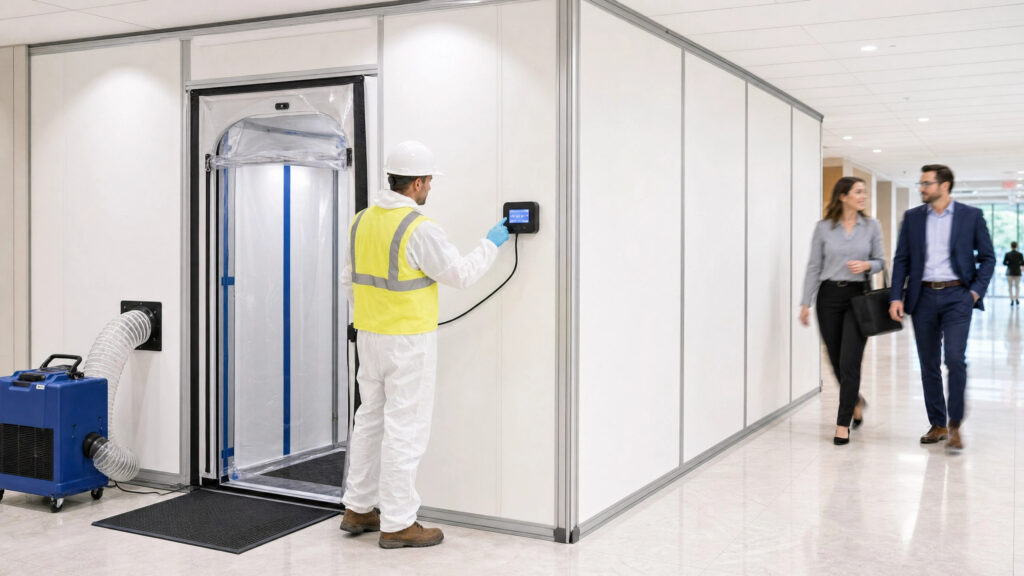
Covers the health, legal, and financial consequences when construction dust escapes containment in occupied facilities. Includes sick building syndrome symptoms, silica/cancer/COPD risks, Aspergillus outbreaks in hospitals, OSHA penalty data, insurance pollution exclusions, data center hardware cascade failures, commercial tenant lease exposure, and Bay Area regulatory pressures. Part 1 of a two-part series.
Modular Temporary Wall Solutions vs. Permanent Structures: What General Contractors Need to Know
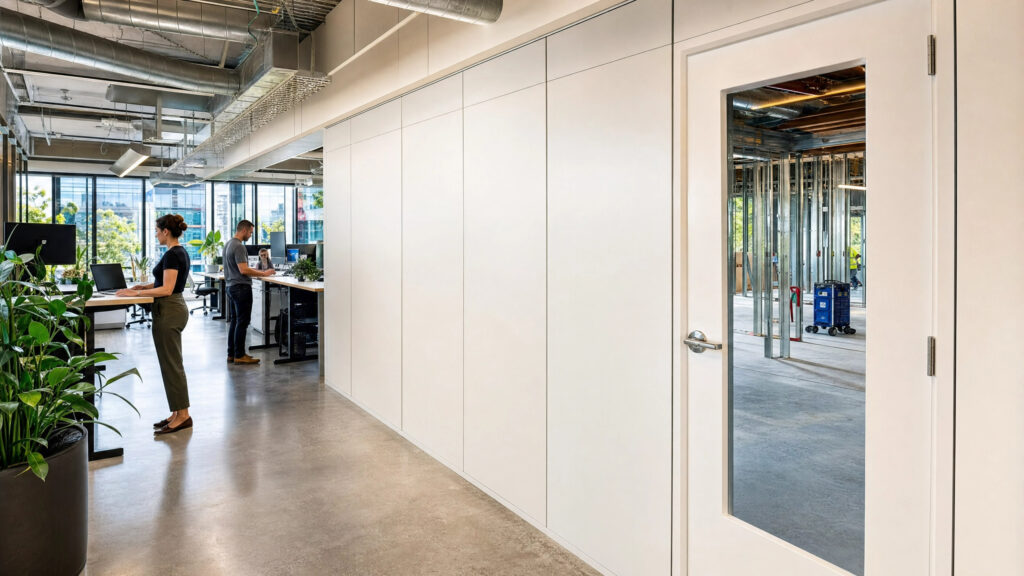
Compares modular temporary wall systems to permanent drywall containment for GCs and facility managers in California. Covers total cost of ownership, Cal/OSHA silica compliance, CBC/NFPA 241 fire code, ICRA healthcare requirements, CALGreen waste diversion, and project flexibility. Positions 5DCCS as the Bay Area full-service modular containment partner.
Negative Air Pressure Systems: ICRA Compliance Made Simple
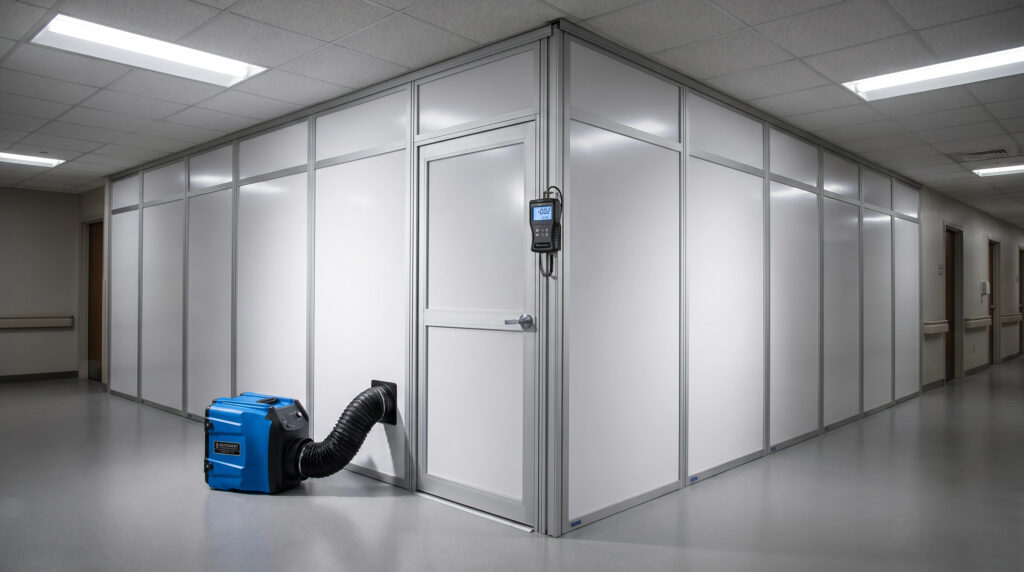
Negative air pressure is the mechanical backbone of ICRA compliance. Learn pressure thresholds, ACH requirements, HVAC isolation, and monitoring for Class IV and V projects.
Clean Construction: Dust Control for Occupied Commercial Spaces
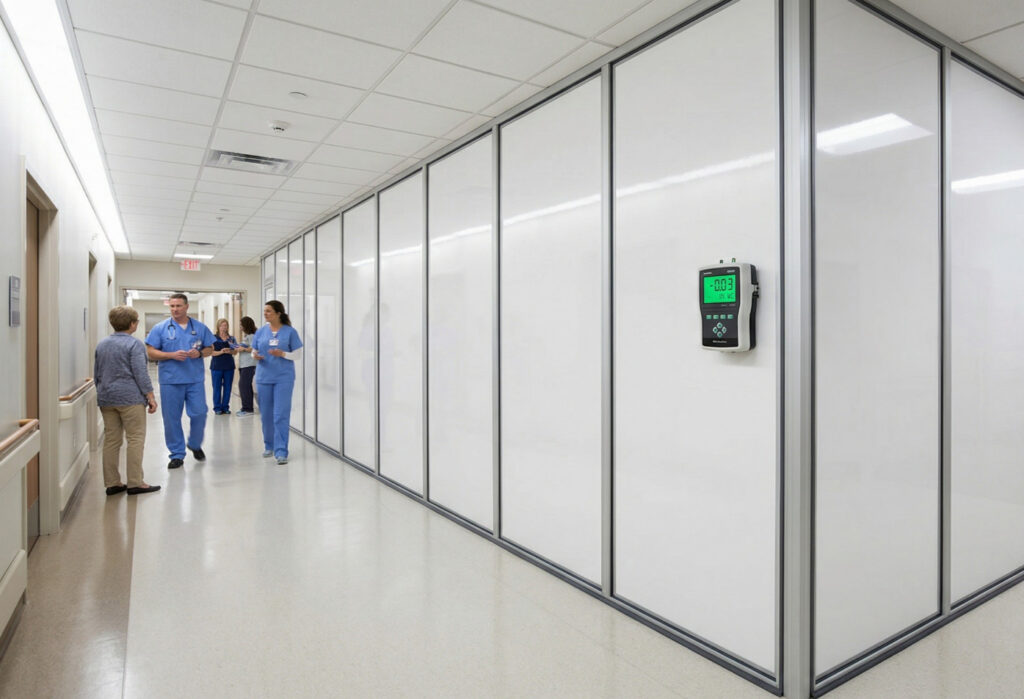
Learn essential dust control strategies for clean construction in occupied commercial spaces. Discover how 5DCCS modular walls ensure Cal/OSHA and ICRA compliance.
7 Mistakes That Take Down Server Rooms During HVAC Upgrades
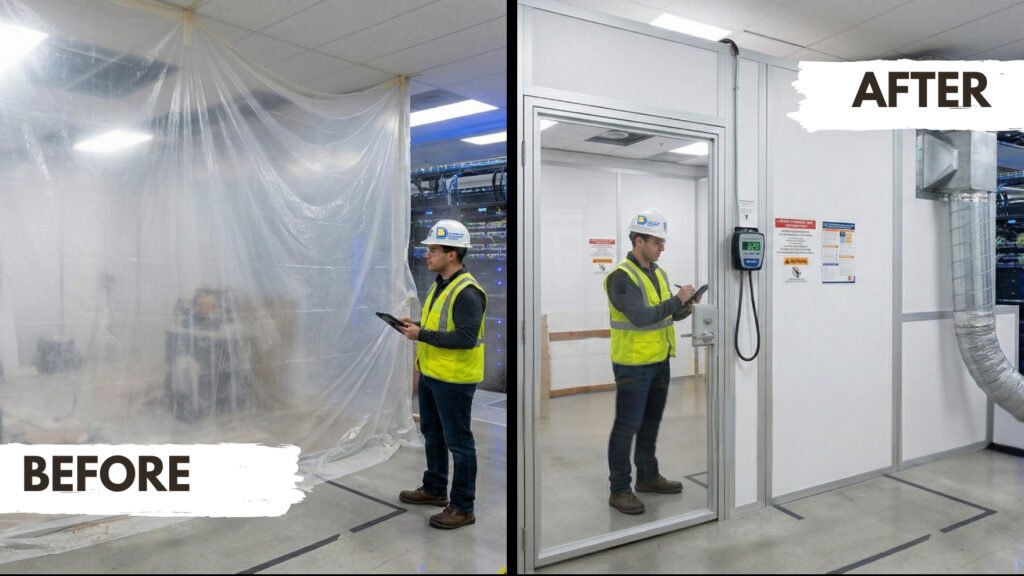
Covers the 7 most common mistakes that cause server room downtime during live HVAC upgrades, including inadequate containment barriers, missing negative air pressure, hot/cold aisle disruption, ASHRAE thermal rate-of-change violations, missing MOPs, Cal/OSHA silica non-compliance, and commodity containment selection. Positions 5DCCS modular containment as the risk mitigation solution for Bay Area data center and server room projects.
Choosing the Right Containment Partner for Data Center Construction (Part 2)
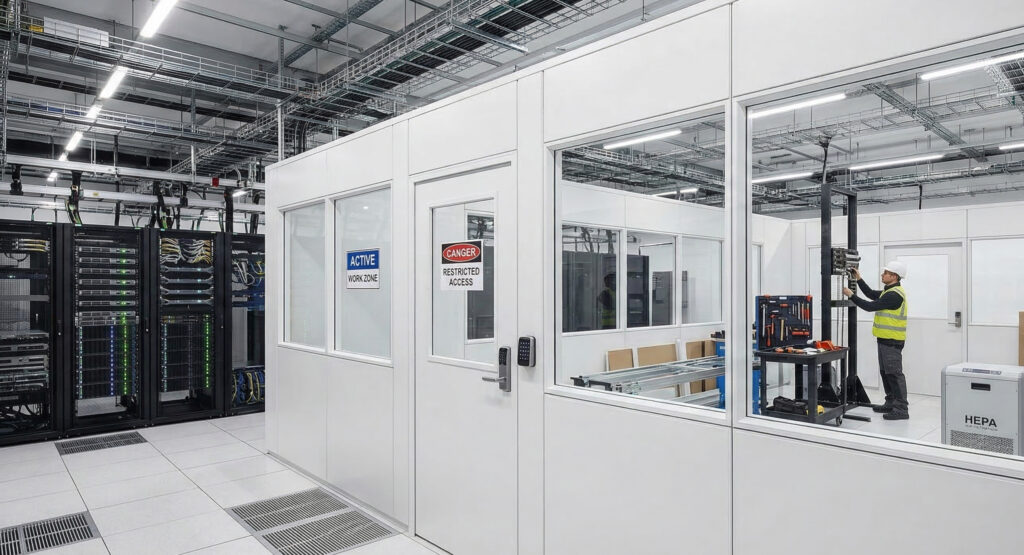
Part 2 of the data center series. Covers how to evaluate and select a containment partner, key performance specs to require, a phased project planning checklist, and the most common containment mistakes to avoid in live data center environments.
Why Data Centers Need Modular Containment During Live Operations
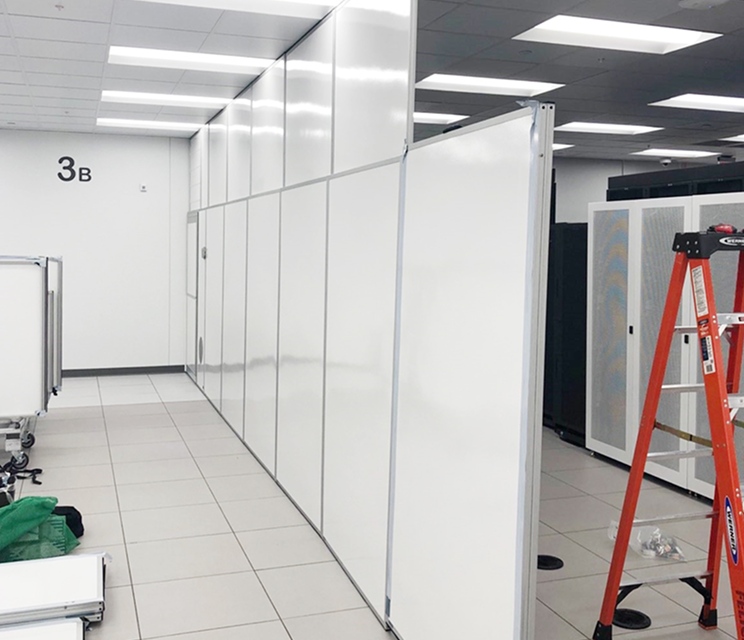
Why Data Centers Need Modular Containment During Live Operations. Explore the risks, challenges, and benefits of temporary walls during data center maintenance and repairs.